
Baltimore Family Hospitalized Amid Allegations of Toxic Mold in Homeless Shelter
In Baltimore, a father, Marcus Clark, has described his family's hospitalization due to severe respiratory issues and asthma attacks, allegedly caused by toxic mold spores found in their living quarters at a former hotel converted into a homeless shelter. The…
 Baltimore, MD, August 20, 2026 —
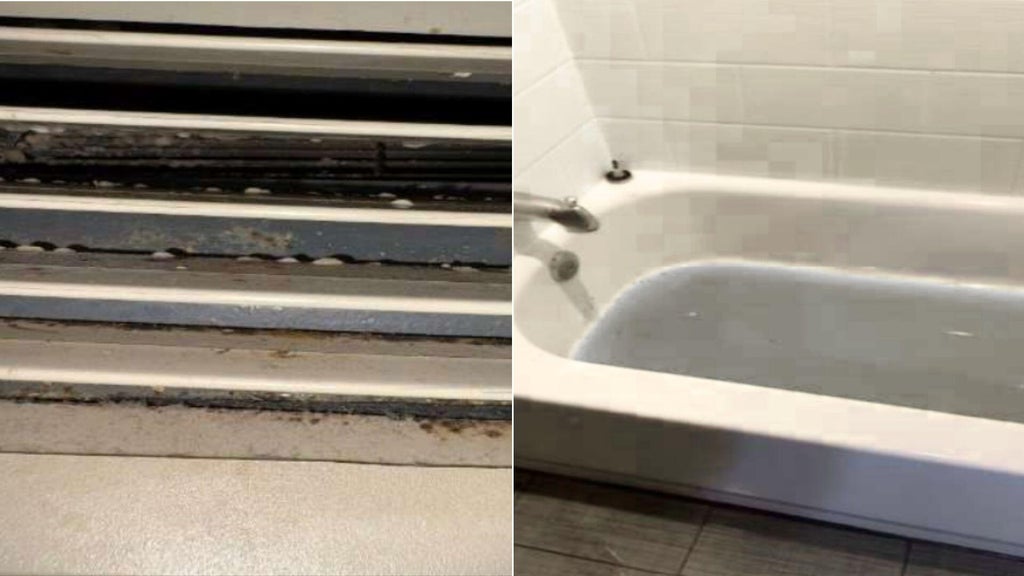
A Baltimore father, Marcus Clark, has spoken out about his family’s severe respiratory problems and asthma attacks, which he alleges were triggered by toxic mold spores found in their temporary housing at a former hotel repurposed as a homeless shelter.
The living conditions at the facility have been under scrutiny following a report by the city’s Inspector General. The report documented the presence of extensive mold, mushrooms, and various other health hazards within the property, raising concerns about the safety of its residents.
Clark’s account details how his family experienced significant health issues, leading to hospitalizations. He attributes these medical emergencies to the hazardous environment within the shelter. The specific nature of the respiratory issues and asthma attacks was not detailed beyond their severity.
In response to these findings and the experiences of residents like Clark, advocates are now urging for a comprehensive investigation. They are calling on the Maryland General Assembly to examine the living conditions within the shelter and to scrutinize how public funds are being utilized for such facilities.
The Inspector General’s report identified specific health hazards, though the full scope of the findings and the recommended actions were not provided in the summary. The timeline of the family’s stay at the shelter and the exact duration of their exposure to the alleged mold contamination were also not specified.
The call for an investigation highlights broader questions about the oversight and management of temporary housing for vulnerable populations in Baltimore. Advocates aim to ensure that facilities intended to provide safe haven do not pose risks to the health and well-being of those they serve.
Story summarized from the original created by Mike Hellgren on www.cbsnews.com, see more information here.
Media gallery
